
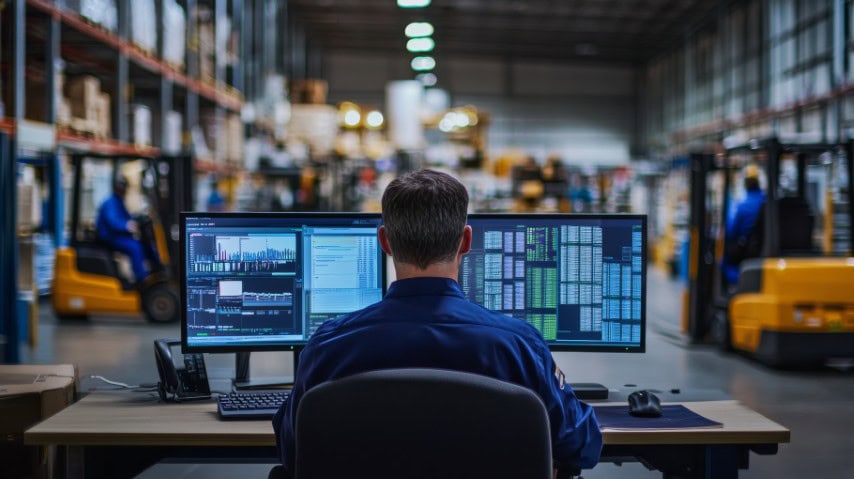
The Importance of Warehousing in Supply Chains
Warehousing is very important element in supply chain management as it acts as a link between production and distribution. It enables organizations to store products, manage inventory and handle orders efficiently. With the demand for quicker and better delivery services, companies are required to understand all the details of warehousing.
Warehousing is not all about storing products it is an intricate step in a chain of processes that, when brought together, result to efficient logistics. By mastering warehousing, businesses can:
- Respond swiftly to market demands
- Optimize stock levels to minimize carrying costs
- Improve order fulfillment accuracy and efficiency
- Run the supply chain smoothly, from supplier to the customer
If you would like to really get into the ins and outs of how a warehouse operates, check out our post: The 6 Basic Warehouse Operations Explained.
What is Warehousing?
At the root of it, warehousing means storing goods in a specific place and for a certain time period. This includes all receiving, screening, storing, and preparing goods for distribution. Warehousing can be a number of things, subject to the needs of a business and the nature of the goods in storage.
Key Functions of Warehousing:
- Storage: Safeguarding goods until they are needed.
- Inventory Management: Keeping track of stock levels, orders, and deliveries.
- Order Fulfillment: Picking and packing goods for shipment to customers.
If you’d like to learn more about the different types of warehousing and what they do, take a look at The 5 Most Common Types of Warehouses.
Key Warehouse Operations Explained
Warehousing includes numerous essential functions for the effective control of goods. Following are the general operation stages of warehousing:
- Receiving: Products arrive at the warehouse and are inspected for quality and quantity.
- Storage: Goods are placed in designated storage areas, ensuring optimal space utilization.
- Inventory Control: Regular monitoring of stock levels to prevent shortages or overstock situations.
- Order Picking: Selecting items from storage to fulfill customer orders.
- Packing: Preparing orders for shipment, ensuring that products are securely packaged.
- Shipping: Distributing goods to customers or retail locations.
To explore these details further, see our post on The 5 Key Warehouse Management Processes.
Stages of Warehousing: From Receiving to Shipping
It is also important to know how goods and products are being moved within the warehouse. There are multiple levels that impact the overall performance of the supply chain warehousing process:
- Receiving: Efficient receiving practices minimize errors and set the stage for successful inventory management.
- Storage: Choosing the right storage method (e.g., pallet racking, shelving) impacts accessibility and space optimization.
- Picking and Packing: Streamlining these processes leads to quicker order fulfillment and improved customer satisfaction.
- Shipping: Coordinating with carriers and managing logistics ensure timely delivery.
For a complete reading on these stages, visit Stages of Warehousing: From Receiving to Shipping.
Types of Warehouses
All businesses have different warehousing needs according to products and the industry. Here are some common types:
- Public Warehouses: Operated as independent businesses offering storage space and services to multiple clients.
- Private Warehouses: Owned and operated by companies to store their products exclusively.
- Distribution Centers: Focused on the rapid movement of goods to retail locations and consumers.
- Fulfillment Centers: Specialized warehouses designed for e-commerce that handle order processing and shipping directly to customers.
- Cold Storage: Facilities equipped to store perishable goods at controlled temperatures.
To explore the distinctions between these types, refer to our article Fulfillment Center vs Distribution Center vs Warehouse.
Warehousing in Logistics: Its Role in the Supply Chain
Warehousing is not a standalone activity but it is part of the total chain of logistics. Effective storage procedures can greatly improve the overall performance of a supply chain. Through the placement of strategically positioned warehouses, companies can minimize shipping costs, shorten delivery lead times and enhance service levels.
Discover a comprehensive overview of warehousing in logistics and warehousing as it relates to the rest of the supply chain with our article Warehousing in Logistics: How It Fits How It Fits in the Supply Chain.
Is Warehousing the Same as Inventory Management?
Warehousing and inventory management are connected, but not the same. Warehousing pertains to the actual storage of products, while inventory management deals with how these goods are monitored and controlled in various stages within a supply chain. Recognizing this difference is very important for companies that are striving to maximize their business.
For additional perspective, see Is Warehousing the Same as Inventory Management?
Conclusion and Next Steps
To sum up, warehousing is an important aspect of supply chain management, with a wide variety of operations and types intended to address various business requirements. Through understanding the fundamental concept of warehousing, enterprises will improve their logistics efficiency and customer service.
Whether you’re a seasoned logistics professional or new to the industry, knowing the basics of warehousing helps make smarter decisions leading to success. For more info on warehousing, jump into the articles linked here for a detailed look at each topic. If you have concerns or require assistance making your warehousing operations more efficient, reach out to our team at WTL: we’re here to help you navigate the complexities of logistics with expertise and support.